Size and Fit Guides That Cut Returns (2026)
Sizing is the top reason apparel gets returned. Here is how to build a size and fit guide that actually cuts returns, per product, on every PDP.
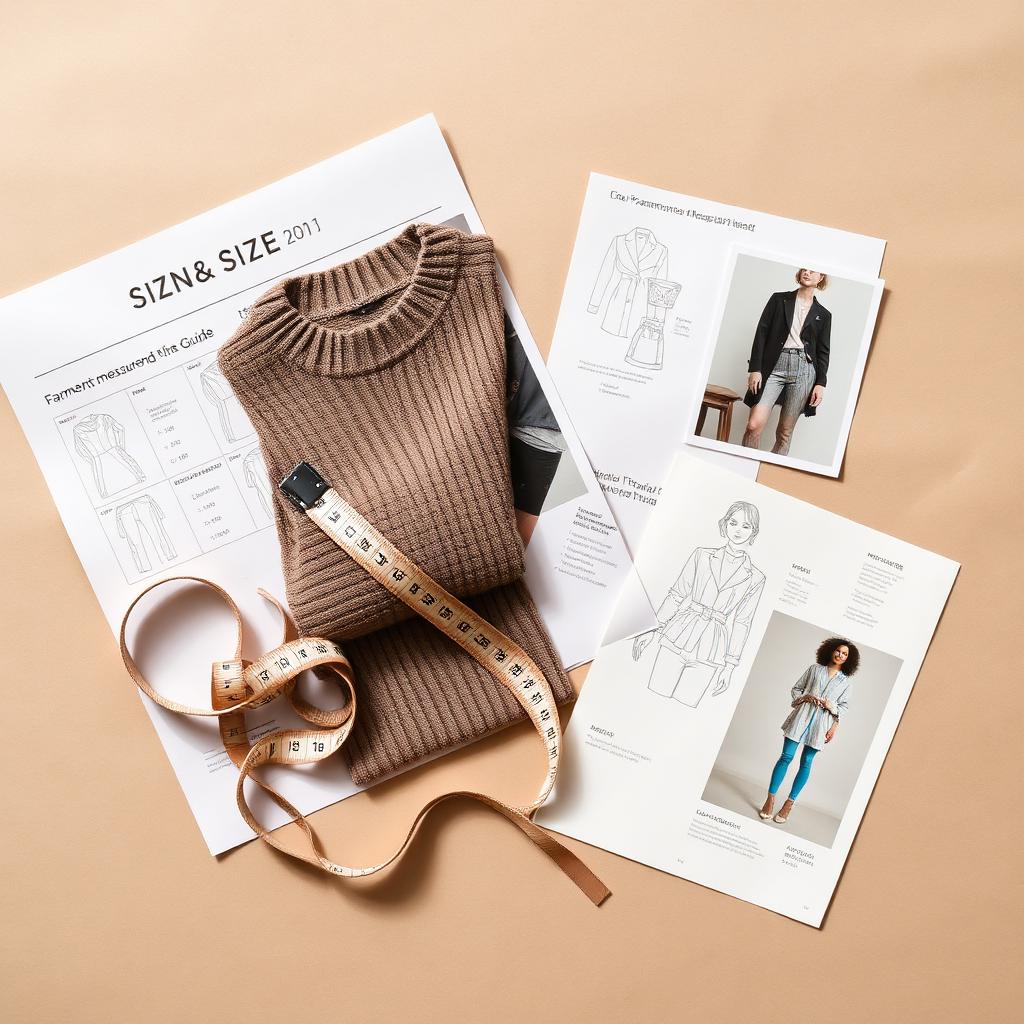
You priced the product right. The photos look good. The page converts. Then a third of the orders come back, and almost all of them say the same thing: it did not fit.
A size chart is not a fit guide. A chart is a grid of numbers. A fit guide answers the question the shopper is actually asking, which is "will this fit me, and how will it feel on." Those are different jobs, and most apparel pages only do the first one.
This guide covers what a size and fit guide really is, why sizing drives returns, what to put on the page, how to build one per product, and how to keep it consistent across a whole collection without hand-building every chart.
If you only read one thing
- Sizing and fit is the top reason apparel comes back. A generic chart does not fix that. A product-specific fit guide does.
- Publish both kinds of measurement. Body measurements tell a shopper which size to pick. Garment measurements tell them how it will sit.
- Show fit, do not just describe it. On-model imagery with the model's height and worn size does more than any paragraph.
- Tailor the guide to the product. A generic chart buried in a popup is why people give up and bracket two sizes.
- Kampana builds the fit content as part of the PDP asset pack, so the size chart, fit notes, and on-model imagery ship together and match the product.
What is a size and fit guide?
A size and fit guide is the set of information on a product page that helps a shopper choose the right size and understand how the garment will fit before they buy. It is more than a chart. It is the chart plus the context around it.
A complete guide usually has four parts: body measurements (so the shopper can match themselves to a size), garment measurements (so they know the actual dimensions of the item), fit intent (slim, regular, relaxed, true to size, runs small), and a model reference (the height and worn size of the person in the photos).
The standards behind the numbers are real and public. ASTM publishes standard body measurement tables for apparel, such as ASTM D5585 for adult female misses sizes, which manufacturers use as a baseline for grading. Those tables exist specifically to "reduce or minimize consumer confusion and dissatisfaction related to apparel sizing." That is the whole job of a fit guide, moved to the product page.

Here is the anatomy, broken down:
| Part | What it answers | Example |
|---|---|---|
| Body measurements | Which size should I pick? | Bust 34 to 36 in = size M |
| Garment measurements | How big is the actual item? | Chest 44 in flat, length 28 in |
| Fit intent | How is it meant to sit? | Relaxed fit, size down for a closer cut |
| Model reference | How does it look on a body? | Model is 5'9", wearing size S |
A page with all four answers the shopper's real question. A page with only the first column leaves them guessing.
Why sizing is the number one reason apparel gets returned
Returns are not a small leak. The National Retail Federation and Happy Returns estimated that US retail returns reached about $890 billion in 2024, or roughly 16.9% of annual sales. For 2025 the NRF projected returns of nearly $850 billion. Apparel sits well above the all-retail average, with online apparel return rates commonly cited in the 20% to 30%-plus range.
Within apparel, fit and sizing is the leading reason. The pattern is consistent across return studies: the single biggest cause of an apparel return is that the item did not fit, not that the customer changed their mind or disliked the product.
That points to a precise problem. The shopper liked the product enough to buy it. They just could not tell what size to order. That is a content failure, not a product failure, and content failures are fixable.
There is a second-order effect too. When shoppers cannot trust the sizing, they "bracket." They order two or three sizes, keep one, and send the rest back. Every bracketed order is one sale and two or more returns, with shipping and processing on each. A clear fit guide is the cheapest way to stop bracketing before it starts.
Why most size guides do not cut returns
Most brands have a size guide. Most size guides do nothing for returns. There are three reasons.
First, the guide is generic. One chart covers every product, so it does not reflect the actual garment in front of the shopper. The Baymard Institute found that more than 80% of apparel sites fail to provide sufficient sizing information, and that a chart you have to scroll through to find the relevant row is a chart people abandon.
Second, the guide describes fit instead of showing it. "Relaxed fit" means different things to different shoppers. Baymard's testing found that around 90% of apparel sites fail to let users properly assess the appearance, size, or fit of a product, largely because they do not show the product on a real human body with a height and worn size.
Third, the guide is hidden. It lives behind a tiny "size guide" link in a popup, away from the size selector, so the shopper never sees it at the moment they are choosing. The information exists. It just is not where the decision happens.
A product page is not a product photo with a paragraph under it. It is a system. The fit guide is part of that system, and it has to be specific, visual, and in the right place.
What a size and fit guide should actually contain
A guide that cuts returns has three layers: the numbers, the fit intent, and the fabric reality. Skip any one and the shopper fills the gap with a guess.
Body measurements vs garment measurements
These are different things and shoppers need both.
Body measurements describe the person. Bust, waist, hip, inseam. They map a shopper to a size: "if your waist is 30 to 32 inches, choose size M." This is what standard tables like ASTM's body measurement standards are built on.
Garment measurements describe the item, laid flat. Chest width, total length, sleeve length, hem opening. They tell the shopper how big the thing actually is, which matters for relaxed or oversized styles where body-to-size mapping is not enough.
- Body measurements answer "which size am I."
- Garment measurements answer "how big is this piece, really."
- Both together answer "will this fit me the way I want."
Fit intent and model reference
Numbers do not communicate feel. Fit intent does. State plainly whether the garment is slim, regular, or relaxed, whether it runs true to size, and what to do if a shopper is between sizes.
Then show it. The most useful single element on an apparel page is on-model imagery with the model's height and the size they are wearing. Baymard's research is direct on this: products meant to be worn require the context of a human model to be judged properly. A shopper who is 5'9" can look at a 5'9" model in a size S and know exactly what they are getting.
Fabric, stretch, and care
Fit is not only dimensions. A rigid denim in a size M fits differently than a stretch jersey in the same size. Tell the shopper:
- Fabric content and weight (for example, 12 oz rigid denim vs 6 oz brushed cotton).
- Stretch and recovery (none, 2-way, 4-way, holds shape or relaxes through the day).
- Care that changes fit (will it shrink, can it be tumble dried).
This is also where your PDP copy and your fit guide should agree. If you write the copy and the fit notes in separate tools, they drift. The fashion PDP copywriting guide covers how fit, fabric, and care should read as one block, not three.
How to build a size and fit guide step by step
You do not need a fit technologist to publish a usable guide. You need the measurements you already have from the tech pack and a consistent way to present them.
- Pull garment measurements from the tech pack. Your points of measure are already in the spec. A POM is a defined place to measure and a target value. If you do not have them documented yet, the POM measurement guide walks through it, and a clean tech pack is where these numbers live.
- Map garment measurements to body sizes. Use a recognized body table such as ASTM as the baseline, then adjust for your brand's actual fit and target customer.
- Write the fit intent in one line. Slim, regular, or relaxed. True to size or not. What to do between sizes. No jargon.
- Shoot or render the fit on a model. Capture or generate on-model imagery and label the model's height and worn size.
- Add fabric, stretch, and care notes that affect how the garment sits over time.
- Place it next to the size selector, not behind a link three clicks away.
- Keep it consistent across the collection, so a size M reads the same way on every product.
Done once, this becomes a template you reuse per product instead of a blank page each time.
Body measurement vs garment measurement: which to publish
Brands often ask whether to publish body measurements, garment measurements, or both. The honest answer is both, but they serve different shoppers and different product types.
| Body measurements | Garment measurements | |
|---|---|---|
| Answers | "Which size matches my body?" | "What are the actual dimensions?" |
| Best for | Fitted and tailored styles | Relaxed, oversized, unisex styles |
| Risk if missing | Shopper picks the wrong size | Shopper misjudges volume and drape |
| Source | Body tables (e.g. ASTM) + your fit | Tech pack points of measure |
| Who relies on it | First-time buyers | Repeat and detail-driven buyers |
If you can only start with one, lead with body measurements for fitted product and garment measurements for loose product. Then add the other as you build out the template.
Common size guide mistakes and how to fix them
The same handful of mistakes show up on most apparel sites. Each has a direct fix.
Mistake: one generic chart for every product. Shoppers cannot find the row that applies to the item they are viewing.
- Build the chart per product type, or at least per fit block.
- Show only the measurements relevant to that garment.
- Default to the customer's likely unit (inches or centimeters) and let them switch.
Mistake: numbers with no fit context. A chart with no fit intent leaves "slim or relaxed" to the imagination.
- Add a one-line fit statement above the chart.
- Note "runs small / true to size / size up for a relaxed look."
Mistake: no model reference. The shopper cannot picture the garment on a body like theirs.
- Show on-model imagery with the model's height and worn size.
- Where useful, show the same product on more than one body type.
Mistake: the guide is hidden. It sits behind a popup link far from the size buttons.
- Place fit content beside the size selector.
- Use a clear size selector, since Baymard found around 70% of apparel sites do not use buttons for each size variation.
Mistake: copy and chart disagree. The description says "relaxed," the chart implies "slim."
- Generate fit notes, copy, and chart from the same product record so they stay aligned.
What to look for in a sizing setup
Whether you build this in-house or use a tool, the setup should do five things.
- Per-product, not one-size-fits-all. The chart reflects the actual garment, not a brand-wide grid.
- Pulls from the tech pack. Garment measurements come from your real points of measure, not retyped by hand.
- Pairs numbers with imagery. A chart and on-model fit imagery ship together for the same product.
- Stays consistent. A size M means the same thing across the collection.
- Lives on the page, in the right place. Next to the size selector, not buried.
A sizing setup that hits all five is, in practice, part of building the whole product page. That is why fit content belongs inside the PDP asset pack rather than as a separate afterthought.
How sizing and fit affect your return rate and margin
Returns hit margin twice. You lose the sale, and you pay to process the return: inbound shipping, inspection, repackaging, and often a markdown if the item cannot be resold as new. For apparel, where fit drives most returns, better fit content is one of the few levers that reduces returns without touching price or product.
There is an upside beyond avoided cost. A clear fit guide raises conversion, because shoppers who can size themselves with confidence are less likely to abandon the cart. The same content that reduces returns also reduces hesitation. And because fit content earns trust, it supports repeat purchase, which is where apparel margin actually lives.
This is why ecommerce should not start after the product is approved. It should start with the product. The measurements, fit logic, and imagery that make a great fit guide come straight out of the design and tech-pack stages. If you wait until launch to think about sizing content, you are rebuilding information you already had.
How Kampana handles size and fit content
Kampana is an AI product creation OS for fashion brands. It turns one product into design, 3D renders, tech packs, PDP imagery, B2B sell-in kits, marketplace feeds, and social campaigns, on a node-based canvas with approval gates and product-fidelity QA. Size and fit content is part of the ecommerce PDP asset pack, so the chart, fit notes, and on-model imagery come from the same product, not three disconnected tools.
What you get
- A product-specific size chart built from your garment points of measure.
- Body-to-size mapping you can align to a recognized table and your real fit.
- A one-line fit intent plus fabric, stretch, and care notes.
- On-model imagery with the model's height and worn size labeled.
- Fit content that matches the PDP copy and the rest of the asset pack.
The old way vs Kampana
| Old way | With Kampana | |
|---|---|---|
| Source of measurements | Retyped from a spreadsheet | Pulled from the product's tech pack |
| Chart | One generic chart for everything | Per-product chart |
| Fit shown | Described in text only | On-model imagery with height and worn size |
| Consistency | Drifts per product | Same logic across the collection |
| Who approves | Manual, after the fact | Human approval gate + product-fidelity QA |
How it works
- Drop one product on the canvas.
- Wire it to the tech pack and PDP asset nodes.
- Generate the size chart, fit notes, and on-model fit imagery.
- Approve each product-accurate asset at the gate.
- Export page-ready fit content for your store.
Pricing is credit-based. There is a shared credit pool, no per-seat fees, and no subscription lock-in, and credits do not expire. A PDP asset pack draws from the same pool as the rest of your workflows, so you spend credits on the assets you actually generate. New brands can start with a free starter credit pack. See credit pricing for current ranges.
For adjacent work, the optimize fashion products for marketplaces workflow carries the same sizing attributes into feeds, and the end-to-end fashion collection launch flow connects fit content to the full launch.
Frequently asked questions
What is the difference between a size chart and a fit guide?
A size chart is the grid of measurements. A fit guide is the chart plus the context: fit intent, fabric and stretch, and on-model reference. The chart tells a shopper the numbers. The guide tells them how the garment will actually fit and feel, which is what reduces returns.
Do size guides really reduce returns?
Fit and sizing is the leading reason apparel gets returned, so better sizing information directly targets the biggest return driver. The Baymard Institute found that most apparel sites fail to provide sufficient sizing information, which is a fixable cause of both returns and abandoned carts.
Should I publish body measurements or garment measurements?
Both. Body measurements help a shopper match themselves to a size and work best for fitted styles. Garment measurements describe the actual item laid flat and matter most for relaxed or oversized styles. Together they answer the full question.
Where do garment measurements come from?
From your tech pack's points of measure (POM), which define where to measure and the target value. If those are not documented, start with the POM measurement guide and pull from the technical design assist pack.
Are there official sizing standards I can base my chart on?
Yes. ASTM publishes standard body measurement tables for apparel, such as ASTM D5585 for adult female misses sizes. These are a baseline for grading, but you should adjust to your brand's real fit and target customer rather than copy them blindly.
How do I show fit without a real photoshoot?
Show the product on a model with the model's height and worn size labeled. You can produce on-model imagery from your 3D or product files through the ecommerce PDP asset pack, so the fit imagery matches the actual garment and stays consistent across the collection.
Where should the size guide live on the page?
Next to the size selector, at the moment of decision, not behind a small link in a popup. Pairing a clear, button-based size selector with visible fit content is one of the apparel UX practices Baymard recommends.
Does sizing information affect SEO and marketplace feeds?
Indirectly and directly. Clear product content supports rich product pages, and structured size attributes feed marketplaces. Many feed platforms expect size and related attributes, which is covered in the optimize fashion products for marketplaces workflow.
The bottom line
Sizing is the top reason apparel comes back, and that makes it the cheapest return you can prevent. A grid of numbers does not do it. A product-specific fit guide does: real measurements from the tech pack, plain fit intent, fabric and stretch reality, and on-model imagery that shows the fit on a body.
Build it once as a template, keep it consistent across the collection, and put it where the shopper actually chooses a size. Fit content is not a footnote on the page. It is part of the product page system, and it earns its place by lowering both returns and hesitation.
Start with the product, not the launch. Build a complete PDP pack with the size chart, fit notes, and on-model imagery in one place, or explore fashion workflows to see how it connects to the rest of the drop. Start creating, free.
Send one product URL. Kampana turns it into a mini campaign pack.