How to Build a Fashion Collection Concept from Brand DNA (Step-by-Step)
Most seasonal collections start with a moodboard and a vibe. The ones that sell start with brand DNA. Here's the workflow to turn brand codes, trend inputs, and bestsellers into a concept your merchants can actually plan.
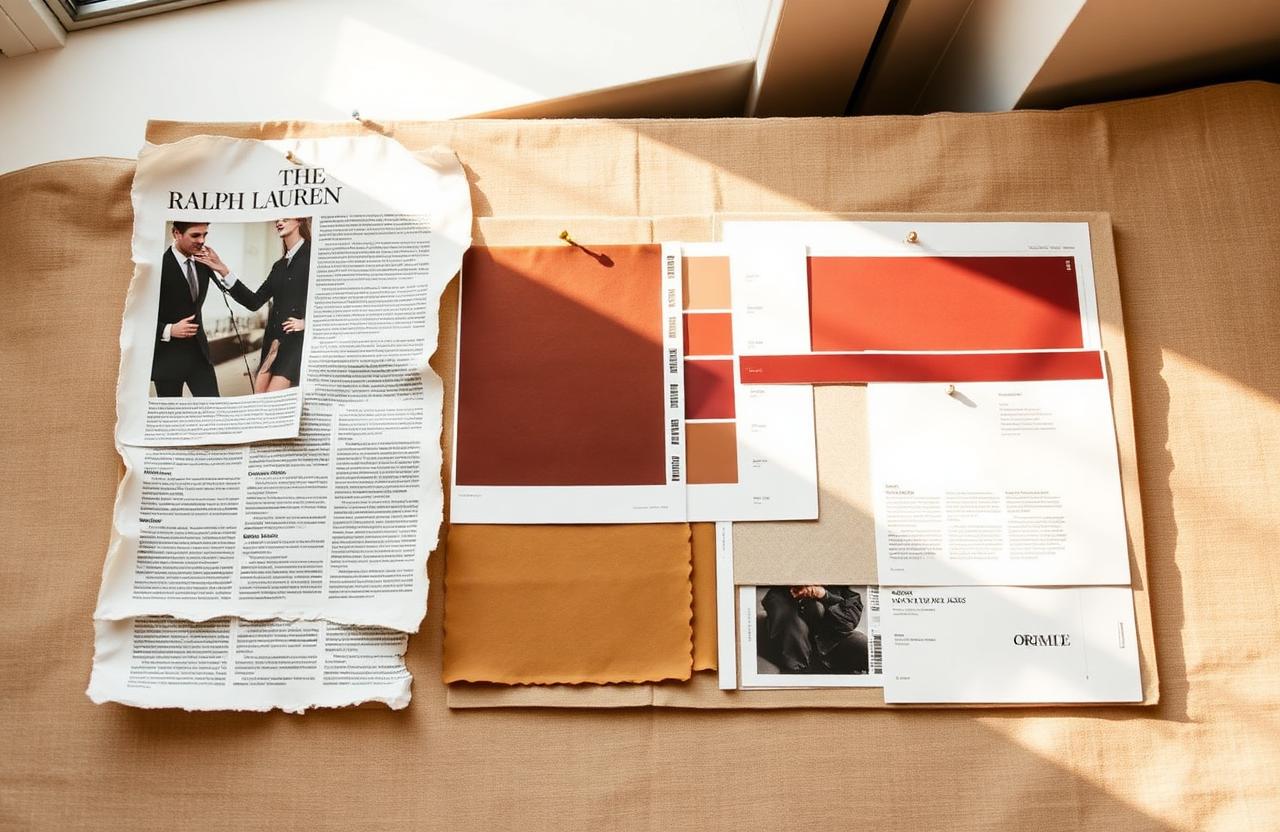
How to Build a Fashion Collection Concept from Brand DNA (Step-by-Step)
Most seasonal collections start with a moodboard and a vibe. The ones that sell start with brand DNA, a hard read of the prior-season sell-through, and a structured concept that merchants can plan against on day one. This guide is the operational version of "concept" - the version that survives contact with the OTB sheet, the line review, and the production calendar.
This is written for design directors, head designers, brand managers, and DTC merchandising leads who already work with PLM, an OTB plan, and a season-by-season hindsight report. It walks through the Kampana Build a Fashion Collection Concept from Brand DNA workflow end to end, so you finish with a concept document, a color palette grounded in production reality, a fabric and trim direction, a silhouette story, key items mapped to commercial volume, a merchandised concept board, and a brief the technical and merchandising teams can use without a translation layer.
Table of contents
- How the workflow works
- What "brand DNA" actually means operationally
- 6 things to decide before you start
- 10 steps from brand DNA to a planning-ready concept
- Color, fabric, and trim grounded in production reality
- Silhouette story and key item architecture
- Common mistakes to avoid
- FAQ
- Checklist before you ship
How the workflow works
A concept fails when the design team is solving for inspiration and the merchandising team is solving for sell-through and nobody reconciles the two until line review. By then the samples are paid for and the disagreement is emotional, not analytical.
The Kampana approach is opinionated about that:
- The concept is built from four inputs in this order: brand DNA, hindsight report, OTB and channel strategy, trend signal. Trend is last on purpose.
- Every color, fabric, and silhouette choice is tagged with a commercial role (hero, support, fashion bet, carryover bridge) before it enters the board.
- Human approval gates exist at brand DNA alignment, color palette lock, and the merchandised concept review.
- Output is formatted as a brief the technical designer, the merchandiser, and the marketing team can each read without re-interpretation.
The full workflow is documented at /workflows/collection-concept-from-brand-dna. The version below is the practitioner's view.
What "brand DNA" actually means operationally
Brand DNA is not the moodboard. It is a written, signed-off document containing:
- Codes: the visual, material, and silhouette codes that recur season after season. Specific - not "minimalist" but "raw hem, dropped shoulder, undyed cotton, matte hardware".
- Customer: the actual customer segment with NPS, repeat rate, average basket, and three named archetypes the team can describe by lifestyle.
- Price architecture: opening price, core price, hero price, top of range - across each category - with the IMU floor.
- Channel mix: percent of revenue by DTC, wholesale, marketplace, and store. The mix shapes assortment depth and hero count.
- Non-negotiables: the things that, if changed, mean the brand is no longer recognizable. Often material origin, factory list, or a signature construction.
If this document does not exist or is older than 24 months, the first step of the workflow is to rewrite it. Concept built on assumed DNA is concept that loses the line review.
6 things to decide before you start
1. Which season, drop calendar, and floor-set are we building for?
A four-drop season has different concept logic than two-drop. Define the drop windows, the floor-sets, and the campaign moments before any creative work.
2. What is the OTB framework?
Top-line buy, percent newness vs carryover, percent hero vs support vs fashion bet, percent core vs capsule, channel split. Concept must fit the OTB, not the other way around.
3. What is the hindsight signal we are responding to?
Top-selling silhouettes, top-selling colors, weak categories, sell-through gaps by price tier, returns concentration, channel-by-channel winners. Concept that ignores hindsight is concept that repeats last season's mistakes.
4. Which trend inputs are we including, and at what weight?
WGSN, Heuritech, social trend scrapes, runway, street. Weight each input by how well it predicted last season's bestsellers for this brand specifically, not in aggregate.
5. What is the newness-to-carryover ratio?
Typical DTC is 30–50% newness. Wholesale-heavy brands often higher. The ratio is the bet, and every concept block needs to map to one side of it.
6. Who is the named approver at each gate?
Brand DNA alignment (creative director or founder), color palette (creative + production), merchandised concept (merchandising + commercial director). Without named approvers, the concept ships and is silently re-edited downstream.
10 steps from brand DNA to a planning-ready concept
Step 1: Audit and restate the brand DNA
Pull the existing DNA document. Mark every code that is still active, every code that has drifted, and every code that no longer reflects the customer. The output is a one-page restated DNA that the rest of the concept will reference.
Step 2: Build the hindsight read
Pivot last 2–4 seasons by category, silhouette, color family, price tier, channel, and drop window. Identify the top quartile and the bottom quartile and the reasons for each. This is the empirical floor of the concept.
Step 3: Layer the trend signal
Pull the trend reports and the social scrape. Filter aggressively for relevance to the brand's customer and price architecture. Tag each trend with a confidence level (high/med/low) and a horizon (this drop, next drop, next season). Do not chase low-confidence, far-horizon trends in a buy-committed assortment.
Step 4: Define the concept territory
A territory is a one-sentence merchandising and emotional thesis the season can hang on. Three territories maximum. Each is testable: a silhouette belongs to a territory or it does not.
Step 5: Build the color palette in production reality
Pantone references for each color, grouped into core, seasonal, accent, and campaign. Each color tagged with a dye class (reactive, disperse, vat, pigment), a fabric base it has been validated on, and a confidence band on color hit at bulk. Colors that are beautiful but cannot hit on the dominant fabric base are flagged for capsule-only use.
Step 6: Build the fabric and trim direction
Mill list per fabric quality, MOQ, lead time, cost band, and sustainability classification (recycled content, certification). Trim direction with hardware finish, label, and packaging. Concept fabrics that exceed lead time for the drop window are flagged and re-routed to a later drop.
Step 7: Build the silhouette story
Silhouettes grouped by category and tagged with role: hero, support, fashion bet, carryover bridge. Each silhouette gets a one-line construction note that connects it to the brand DNA codes from Step 1.
Step 8: Map key items to commercial volume
Each key item gets a forecasted volume band, a channel mix, a price tier, and a partner-SKU list for outfit-build. The merchandiser uses this map to start the OTB allocation conversation on day one of line review.
Step 9: Generate the merchandised concept board
A single board with territories across the top, silhouettes grouped under each, color palette anchored on the side, fabric swatches and trim references mapped to silhouettes, and key item callouts with commercial role. This is the artifact that goes into the cross-functional review.
Step 10: Ship the concept brief
Brief includes: restated DNA, hindsight read, territory thesis, color palette with dye notes, fabric and trim direction, silhouette story with roles, key item map, drop calendar, OTB alignment, and the open questions for design and merchandising. One document, one source of truth.
Color, fabric, and trim grounded in production reality
The most common concept failure is a color palette that cannot hit at bulk. Mitigations:
- Build the palette in collaboration with the dye house technical lead. Not after the fact.
- For every seasonal color, confirm the dye class is compatible with the dominant fabric quality. Reactive dyes on cellulosic, disperse on polyester, vat for high washfastness on indigo - and a confidence note when a color requires a non-standard process.
- For natural fibers, accept a wider tolerance band in the bulk match and write the customer-facing color story so the variation reads as intentional.
- For trims, lock the hardware finish (matte, brushed, polished) on the concept board with a physical sample. Hardware finish drift between concept and bulk is one of the top wholesale complaint drivers.
- For sustainability claims, source certifications (GOTS, GRS, RCS, OEKO-TEX) at concept stage. A claim that cannot be substantiated cannot ship in PDP or wholesale copy.
Silhouette story and key item architecture
A silhouette story is not a list of shapes. It is a hierarchy:
- Heroes: 6–12 silhouettes that carry the campaign, the editorial, the wholesale sell-in, and the largest share of OTB. Heroes earn the photography budget and the marketing spend.
- Support: silhouettes that complete the outfit-build around heroes and absorb the bulk of the unit volume.
- Fashion bets: a tightly scoped number of silhouettes that test a new direction. Bets are unit-capped, channel-limited (often DTC-exclusive), and reviewed at the end of the drop window for promotion to support or retire.
- Carryover bridges: refreshed carryover SKUs that bridge the new concept to the trusted assortment.
Every key item belongs to one bucket. If a silhouette belongs to more than one, the team has not made the decision yet - and the line review will surface it painfully.
Common mistakes to avoid
- Building the concept from trend first. Trend is the last input, not the first. A brand that chases trend without DNA filter looks like every other brand in the category.
- Ignoring hindsight. Last season's bottom quartile is the cheapest research you have.
- Color palette without dye-class validation. Beautiful on paper, off-tone at bulk, marked down by week six.
- No commercial role tag per silhouette. The line review then becomes a debate about what each piece is for.
- Concept brief that the merchandiser cannot read. If the document needs translation, the handoff will lose fidelity.
- Skipping the OTB alignment step. Concept that exceeds the buy is concept that will be cut in the room without analysis.
FAQ
How early should the concept be locked?
Locked 8–10 weeks before line review for a domestic supply chain, 12–14 weeks for offshore. Concept that locks later compresses sampling and forces shortcut decisions.
How many territories per season?
Two to three. One feels narrow and limits the buyer's edit; four dilutes and the campaign cannot carry them all.
Does every season need a campaign hero territory?
Yes. The campaign hero territory is the one that gets the photography budget, the wholesale sell-in pitch, and the social spend. Without one, marketing has nothing to lead with.
How do we handle a CEO or founder who pushes a personal trend into concept?
Document the push as a fashion bet, unit-cap it, channel-limit it, and review at the end of the drop window. Founder bets are valid input - they just need the same risk framework as any other bet.
Should concept change between drops in a season?
Color and styling refresh between drops. Territory and key item architecture stay locked unless hindsight from the first drop demands a recut.
How do we handle a fabric mill that drops out mid-concept?
Identify the second-source mill before the concept is signed off. If no second source exists, the fabric is flagged as a single-source risk and the silhouette using it is unit-capped.
Checklist before you ship
- Brand DNA document is current and signed.
- Hindsight read is built from the last 2–4 seasons.
- Trend inputs are weighted by predictive accuracy for this brand.
- Two to three territories defined with a one-sentence thesis each.
- Color palette validated against dye class and fabric base.
- Fabric and trim direction includes MOQ, lead time, and sustainability classification.
- Every silhouette tagged hero / support / fashion bet / carryover bridge.
- Key item map includes volume band, channel mix, price tier, partner SKUs.
- Merchandised concept board reviewed cross-functionally.
- Concept brief signed by creative, merchandising, and production leads.
Run this workflow in Kampana
Kampana automates every step in this guide while keeping a human in the loop wherever it matters. You bring the brand DNA, the hindsight, the OTB, and the trend inputs. Kampana ships the concept brief.
Start with the Build a Fashion Collection Concept from Brand DNA workflow, or book a contact session to walk through your season setup with the team.
Send one product URL. Kampana turns it into a mini campaign pack.