How to Review a Fashion Line Plan Before Launch (Without Killing It)
A line plan that has never been pressure-tested is a line plan that will be pressure-tested in market. Here is the merchandising review workflow that catches gaps, weak heroes, and color imbalance before the buy.
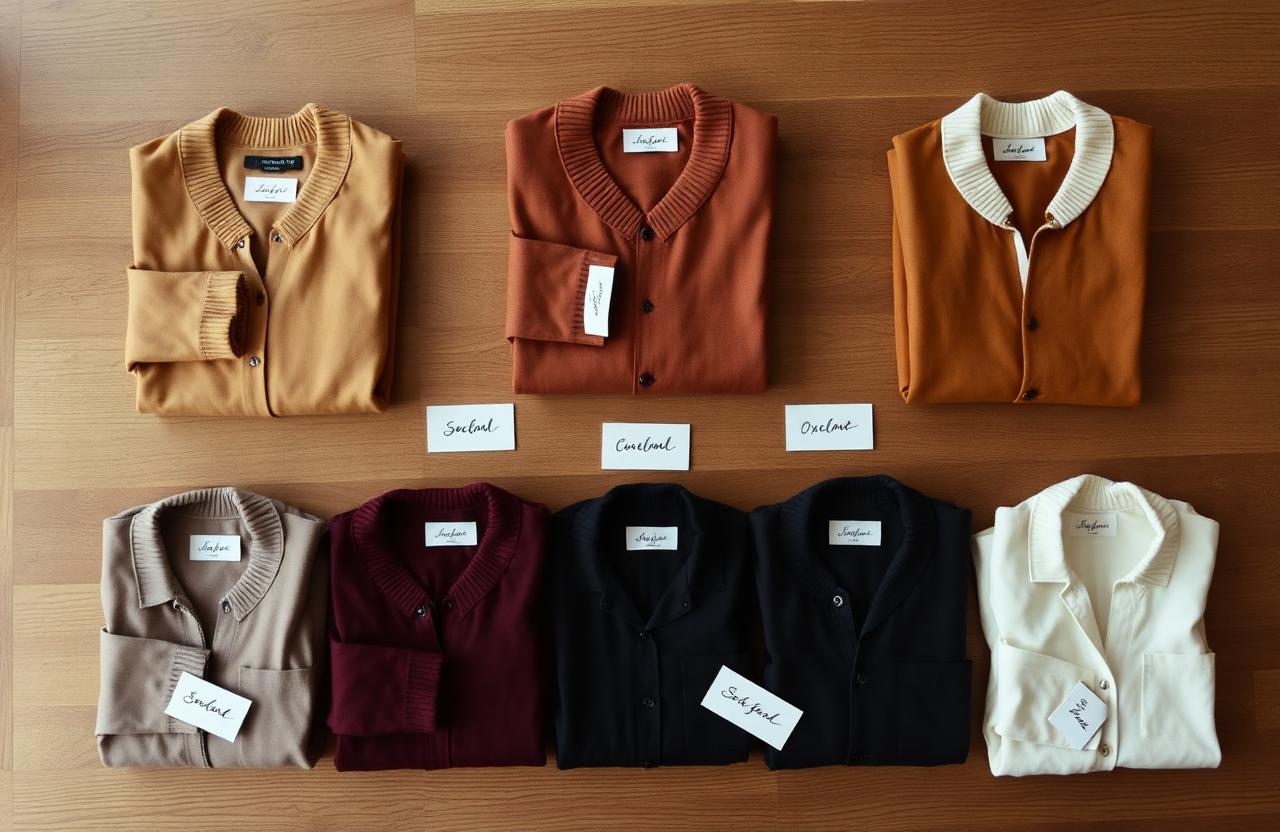
How to Review a Fashion Line Plan Before Launch
A line plan that has never been pressure-tested is a line plan that will be pressure-tested in market, at full markdown risk. This guide walks through the merchandising review workflow that catches assortment gaps, weak heroes, color imbalance, price-tier holes, and channel mismatches before the buy is committed - using the same metrics the post-season hindsight will judge it by.
This is written for merchandisers, planners, buyers, product managers, and commercial directors who already operate against OTB, sell-through, IMU, GMROI, weeks of supply, and sell-through-by-week curves. It walks through the Kampana Review a Fashion Line Plan Before Launch workflow end to end, so you finish with an assortment balance analysis, hero product list, color story board, gap analysis, channel mapping, and a decision-tagged line review board.
Table of contents
- How the workflow works
- The merchandising review framework
- 6 things to decide before you start
- 10 steps to a pressure-tested line plan
- Assortment balance: the seven dimensions
- Hero economics and the photography budget
- Color story and color balance discipline
- Gap analysis and how to read the holes
- Channel mapping per style
- Common mistakes to avoid
- FAQ
- Checklist before you ship
How the workflow works
The line review is the last cheap point in the calendar to cut, merge, or recolor a SKU. After the buy is committed and samples are paid for, every cut is emotional, every recolor is a margin event, and every gap stays a gap until the next season.
The Kampana approach is opinionated about that:
- The line plan is reviewed across seven balance dimensions, not just by category.
- Every style is tagged with a commercial role and a channel before review.
- Decision tags (keep, cut, merge, recolor, push, delay, limit) are mandatory exit criteria - the review does not end without them.
- Output is a decision-tagged board, not a meeting recap.
The full workflow is documented at /workflows/review-a-fashion-line-plan. The version below is the practitioner's view.
The merchandising review framework
Three questions, in order:
- Does the assortment cover demand? Are we present at every price tier, every category, every drop window the customer expects?
- Is each style earning its slot? Hero / support / fashion bet - does each style do the job assigned to it?
- Can the channel mix carry the buy? DTC, wholesale, marketplace, store - does the channel allocation match unit volume and margin reality?
If any answer is unclear, the review is not done.
6 things to decide before you start
1. Which channels are we planning for?
DTC, wholesale, marketplace (Zalando, Farfetch, Net-a-Porter), department store, owned stores. Channel mix shapes hero count, assortment depth, and the SKU-by-channel matrix.
2. What is the IMU floor and the GMROI target?
The line cannot be reviewed against feel - it must be reviewed against a margin floor (IMU by category) and a return-on-inventory target (GMROI) over the planned weeks of supply.
3. What is the newness-to-carryover ratio?
Typical DTC is 30–50% newness. The ratio is the bet, and every assortment block needs to land on the right side of it.
4. What sell-through curve are we planning to?
Full-price sell-through target at week 6, week 8, week 12. The curve determines the markdown plan, which determines the buy depth.
5. What inventory risk can we carry?
Risk capacity (fashion bet unit cap, terminal stock tolerance, markdown budget) determines how many bets stay in the assortment.
6. Who has cut authority?
A named approver per category. Without cut authority defined upfront, the review ends in a list of "concerns" and no decisions.
10 steps to a pressure-tested line plan
Step 1: Import and normalize the line plan
Style number, name, category, subcategory, fabric, colorway, price ($MSRP and wholesale), cost (FOB and landed), IMU, planned channel split, drop date, status, carryover/newness flag, commercial role. Every row complete; nulls are a problem.
Step 2: Run the seven-dimension balance analysis
Category, price tier, color, fabric, customer moment, channel, and risk. The first imbalance is usually price (too many opening-price SKUs, no top-of-range) followed by category (too much tops, not enough bottoms or layering).
Step 3: Identify the heroes and validate the count
Heroes by volume contribution (forecast), image contribution (campaign hero), and entry-point contribution (drives first-purchase). Typical DTC season carries 6–12 heroes. More than 12 dilutes the campaign and the photography budget cannot cover them.
Step 4: Build the visual color story board
Core, seasonal, accent, campaign colors visually laid out across the collection. If the board reads muddled, the on-floor edit will too. Color imbalance is the most common defect that does not show up in a spreadsheet.
Step 5: Run gap analysis
Missing price points (no $150 dress between the $89 and $228), missing categories (no third layer), weak outfit-build (heroes have no partner SKUs), similar SKUs (two near-identical mid-rise straight jeans), unclear customer moment (when does she wear this?).
Step 6: Map every style to channels
Each style tagged DTC core, DTC capsule, wholesale, marketplace, store, campaign hero, carryover bridge. A style with no channel tag is a markdown waiting to happen. A style in every channel is usually overcommitted somewhere.
Step 7: Pressure-test the margin model
Run the buy at planned full-price sell-through (60%, 70%, 80%) and confirm IMU clears the floor at each scenario. Flag SKUs whose contribution to margin depends on the optimistic scenario.
Step 8: Pressure-test inventory risk
Sum unit commitment by category and channel. Confirm fashion bets are inside the unit cap. Confirm terminal stock under the markdown plan stays under the tolerance.
Step 9: Write merchandising recommendations with decision tags
Per SKU: keep, cut, merge, recolor, push as hero, delay to next drop, limited drop, content support only. Decisions, not opinions. Each tag carries a reason and an approver.
Step 10: Ship the decision-tagged line review board
Thumbnails grouped by category, color story anchored on the side, price architecture across the bottom, channel tags color-coded, decision tags visible. One board, one meeting, one signed-off buy.
Assortment balance: the seven dimensions
- Category: tops, bottoms, dresses, layering, accessories. Balanced against last season's mix adjusted for hindsight and demand signal.
- Price tier: opening, core, mid, hero, top. The customer should never hit a gap when stepping up.
- Color: core neutrals, seasonal accents, hero campaign colors. Balanced so the floor reads cohesive, not a swatch book.
- Fabric: lightweight, midweight, heavyweight; seasonal appropriateness; sourcing risk.
- Customer moment: work, weekend, occasion, travel, gifting. Each moment present in the right proportion.
- Channel: SKU-by-channel matrix; no SKU orphaned without a channel; no channel overcommitted.
- Risk: hero / support / fashion bet ratio inside the planned tolerance.
Hero economics and the photography budget
Heroes earn their photography spend; supports do not. A line with too many heroes overspends on photography and underspends on demand generation. A line with too few heroes has nothing for the campaign to lead with.
- Forecast volume contribution per SKU.
- Top 10–15% of SKUs by forecast volume are hero candidates.
- Cross-check with first-purchase contribution (which SKU pulls the new customer in).
- Cross-check with image contribution (which SKU lifts the editorial story).
- The intersection is the final hero list. Photography brief is built from that list.
Color story and color balance discipline
A color story can be technically balanced and visually wrong. The board test:
- Lay the season out as thumbnails grouped by color family.
- Step back six feet.
- The story should read intentional in three seconds. If it reads chaotic, the customer's on-floor edit will be the same.
Common defects:
- One color over-represented (typically a hero color the design team loved).
- An accent color with only one SKU (the customer reads it as a fluke, not a story).
- Two near-identical neutrals competing in the same tier.
Gap analysis and how to read the holes
A gap is not always a missed SKU. Sometimes the gap is intentional - the brand does not play in that price tier. The review distinguishes between:
- Demand gaps: customer expects coverage and we are not present. Fix in the buy.
- Strategic gaps: brand chooses not to play. Document and move on.
- Future gaps: a category we will enter next season. Note in the brief.
Confusing the three is how brands chase margin into categories they do not belong in.
Channel mapping per style
The SKU-by-channel matrix is the most underused output of line review. Each cell answers: "Will this style be available on this channel, in what depth, and at what price?"
- DTC core: full assortment, full size run.
- DTC capsule: limited depth, often pre-order or limited drop.
- Wholesale: edited assortment by buyer tier; exclusive colorways possible.
- Marketplace: feed-eligible subset; often a tighter edit.
- Store: floor-set driven, edited by store cluster.
- Campaign hero: assets allocated regardless of channel volume.
A SKU outside every cell does not exist commercially.
Common mistakes to avoid
- Reviewing in spreadsheets only. Color and silhouette imbalance does not surface in a row.
- No decision tags on the final board. The meeting ends with concerns, not cuts.
- Ignoring channel mapping. A style without a channel is a markdown.
- Confusing hero count with bet count. Too many heroes, too few real bets.
- Margin model run only at the optimistic scenario.
- Cut authority undefined. The review becomes a debate.
FAQ
How early in the season should the review happen?
Before any production commitment is signed. Once samples are paid for and the buy is placed, cuts become political and expensive.
How many heroes is the right number?
Six to twelve for most DTC seasons. Wholesale-led brands can carry more because buyers segment the heroes by account.
Can the review run without sales data?
Yes, using category benchmarks and brand carryover signal. Sales data sharpens it but is not a prerequisite - the framework still applies.
What if merchandising and design disagree?
That is the point of the review. The board surfaces the disagreement, the decision tags resolve it, and cut authority signs.
How do we handle a SKU the founder loves but the data does not support?
Convert it to a unit-capped fashion bet, document the rationale, and review at the end of the drop window. Founder bets are valid if they are governed.
What about wholesale exclusives?
Tag them in the channel map. Confirm the buyer commitment is signed before locking the SKU into the assortment.
Checklist before you ship
- Line plan normalized with every field populated.
- Seven-dimension balance analysis run and reviewed.
- Hero count validated against photography budget and forecast.
- Color story board reviewed cross-functionally.
- Gap analysis distinguishes demand vs strategic vs future gaps.
- SKU-by-channel matrix complete.
- Margin model passes at 60% full-price sell-through.
- Inventory risk under tolerance; fashion bets within unit cap.
- Every SKU carries a decision tag with reason and approver.
- Decision-tagged board signed by the cut authority per category.
Run this workflow in Kampana
Kampana automates every step in this guide while keeping a human in the loop wherever it matters. You bring the line plan, the OTB, and the hindsight. Kampana ships the decision-tagged board.
Start with the Review a Fashion Line Plan Before Launch workflow, or book a contact session to walk through your next line review with the team.
Send one product URL. Kampana turns it into a mini campaign pack.